01
Chronic Pain Syndromes
- Fibromyalgia
- Chronic fatigue syndrome
- Amplified Musculoskeletal Pain Syndrome (AMPS)
- Myofascial pain syndrome
- Complex Regional Pain Syndrome (CRPS)
For chronic pain, chronic symptoms, and chronic fatigue
Based in Ireland, supporting clients online worldwide.

Our approach
There is new help for chronic pain sufferers, and for people with medically unexplained diagnoses such as IBS, long covid, chronic fatigue, migraines, anxiety, and depression. If you've seen several medical professionals and are still not getting better, you may benefit from this approach. I work with people of all ages on recovery-oriented, evidence-informed support.
Scroll
Conditions



Conditions
Still unsure?
Not listed above?
I'm here to help with any illness or concern, even if it's not listed. Reach out to learn more and find the relief you deserve.
Credentials & training
Marsha Canny's work is grounded in pain neuroscience education, Pain Reprocessing Therapy, and a biopsychosocial approach to persistent pain and neuroplastic symptoms.
I am listed in the Association for the Treatment of Neuroplastic Symptoms (ATNS) Practitioner & Coach Directory.
I work as a chronic pain therapist, with online sessions across Ireland and limited in-person availability in Rochestown, Cork.
 View my ATNS directory profileListed in the Practitioner & Coach Directory.
The treatment I provide can support chronic pain recovery, not just coping with symptoms.
Services

I specialise in helping people with persistent pain conditions and work with many people of all ages and ailments, with fantastic results.

I will work with your body, nervous system, and brain to get you back to good health.

€75 per session at my home clinic in Rochestown, Cork, or online anywhere.
Please consult your doctor to rule out structural abnormality, disease, or infection. Take the self-assessment questionnaire to help determine whether this approach is right for you.
A few words from people I've worked with.
She is very kind and understanding and has made me feel completely at ease from our first session. The things she has taught me so far have made a difference in how I react to my symptoms and how confident I am that I will recover fully with time.
Marsha is very kind, empathetic, patient, and supportive. I'm still on my recovery journey, but I feel more hopeful and confident about the future because of the work we've done and will continue to do together.
I recently started working with Marsha and, although it is still early days, I am starting to notice reductions in my pain levels and occasional pain-free days. I am fascinated by how "easy" this process feels, and yet I am getting great results!
The science
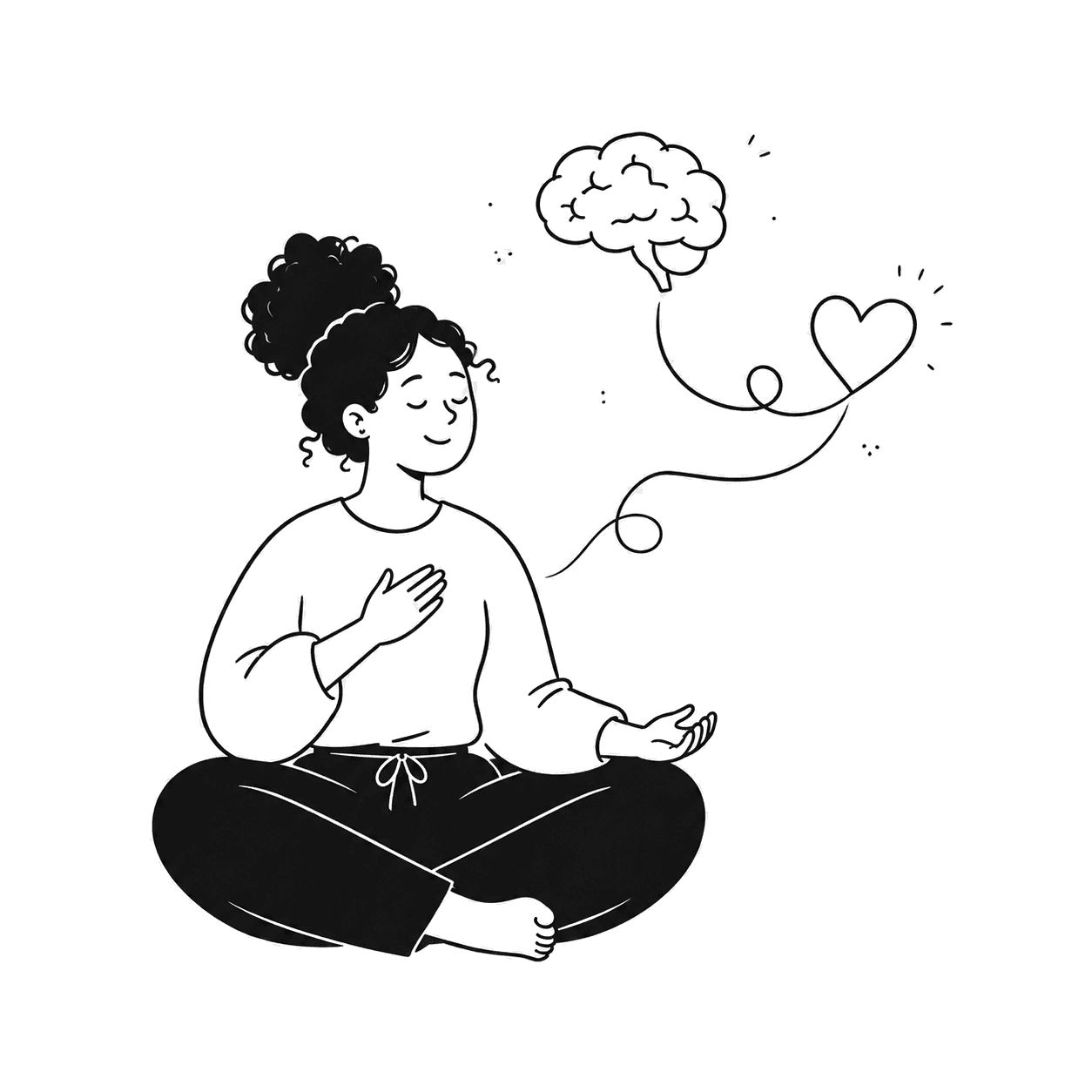
Chronic pain isn't always caused by ongoing injury. Many long-lasting pain conditions come from learned neural pathways in the brain, patterns that continue to fire even after the body has healed.
95% of brain function is unconscious, constantly interpreting signals to determine safety or danger. Pain originates here, not in imagined injury.
Book a ConsultationWarning signals can persist long after healing, creating a cycle of chronic pain. Physical symptoms are the language between your unconscious and conscious brain, and that language can be retrained.
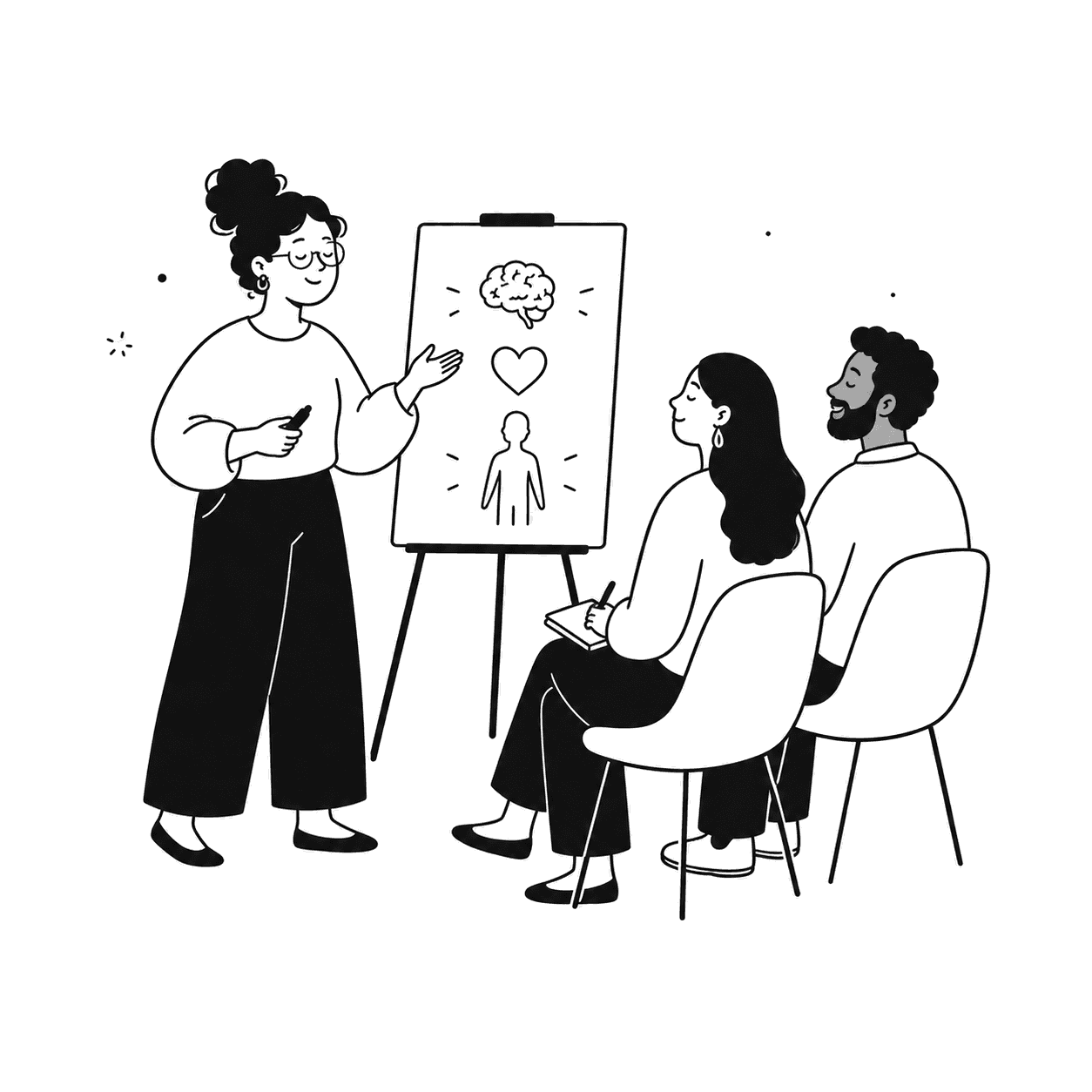
PRT helps retrain the brain to turn off misfiring pain signals, especially where pain lingers long after an injury has healed, or where stress and unprocessed emotions are driving the cycle.
Turning off these signals is safe, and possible. Just as your brain learned these pain patterns, it can unlearn them. Neuroplasticity works both ways, and that is exactly what this approach harnesses.
Take the first step
Tired of being told there's nothing more that can be done?
Ready for an approach that addresses the root cause of your pain?
Looking for someone who truly believes in your capacity to heal?
Reach out via the contact form, phone, or WhatsApp. I typically respond within 24 hours and we'll schedule at a time that works for you.