The Science
Understanding how
your brain creates pain
and how to turn it off
The most recent science shows that many chronic pain conditions originate in the brain, and that gives us a powerful new path to healing.
The foundation
All pain is real,
it is not in your head
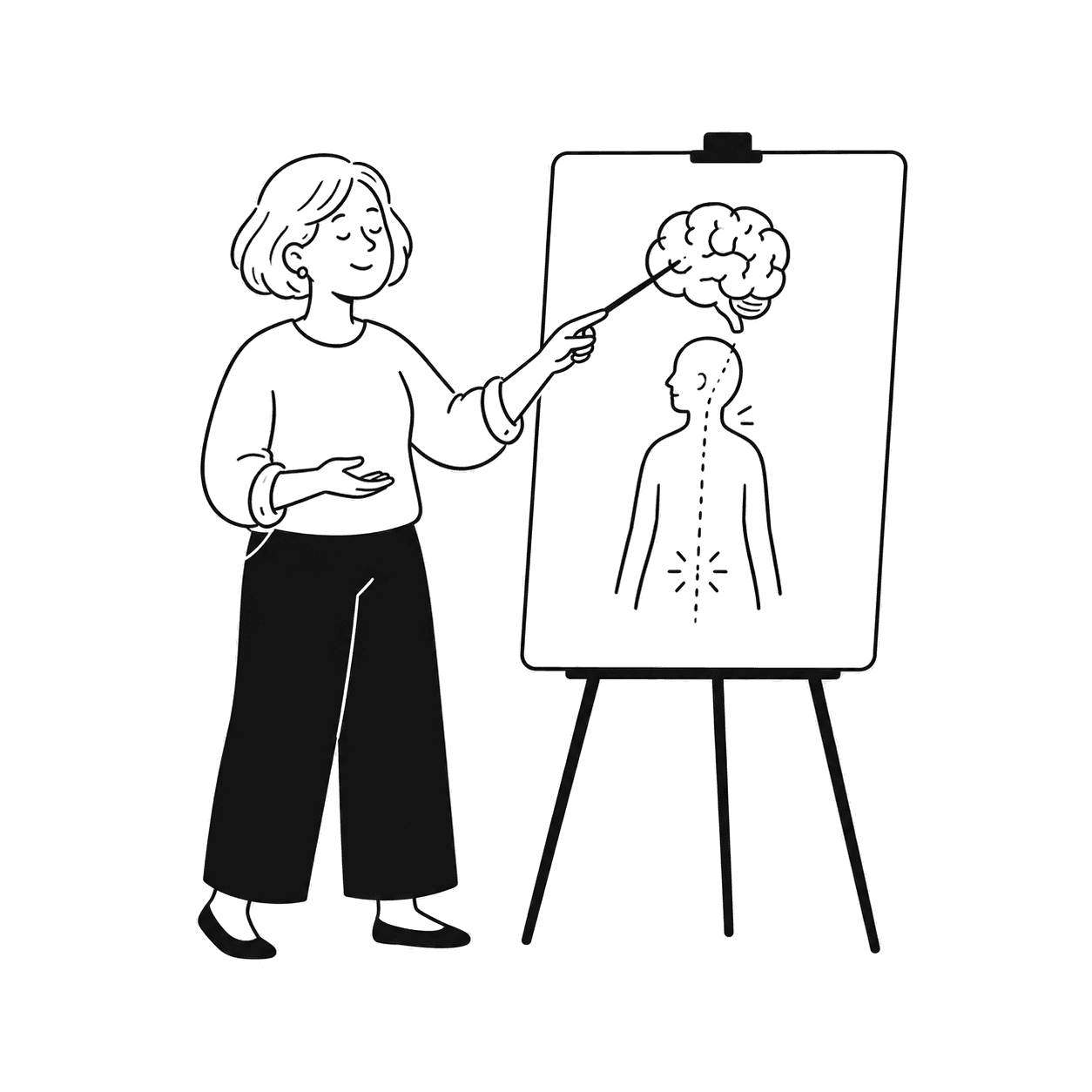
All pain originates in the brain, and to treat chronic pain, you must start with the brain. These insights come from the most recent scientific studies into the causes of chronic pain.
There is new help for chronic pain sufferers, and for people with medically unexplained diagnoses such as IBS, long covid, chronic fatigue, migraine, anxiety, back pain, and fibromyalgia. If you've seen several medical professionals and are still not getting better, you may benefit from this approach.
Sufferers of chronic pain are often unaware that pain can get "stuck" in the body when neural circuits keep sending pain signals, even after the body is safe. This can happen for many reasons, including stress, trauma, or unprocessed emotions.
The biopsychosocial method is an evidence-informed approach to supporting chronic pain recovery and is now being taught to medical practitioners worldwide, including in Australia, the US, and the NHS in the UK. I am a graduate of Dr Howard Schubiner, a pioneer in mind-body medicine. I have specialised training in methods developed by Dr Howard Schubiner and I am listed in the Association for the Treatment of Neuroplastic Symptoms Practitioner & Coach Directory.
Root causes
What causes
chronic pain?
Learned Neural Pathways
Your brain created pain pathways when there was an injury, but didn't turn them off when you healed.
Stress & Unprocessed Emotions
Chronic stress, trauma, and emotional pain can activate danger signals in your nervous system.
Fear & Avoidance
Fear of movement and beliefs that your body is "broken" reinforce and entrench pain pathways.
The good news
Pain is not
a life sentence
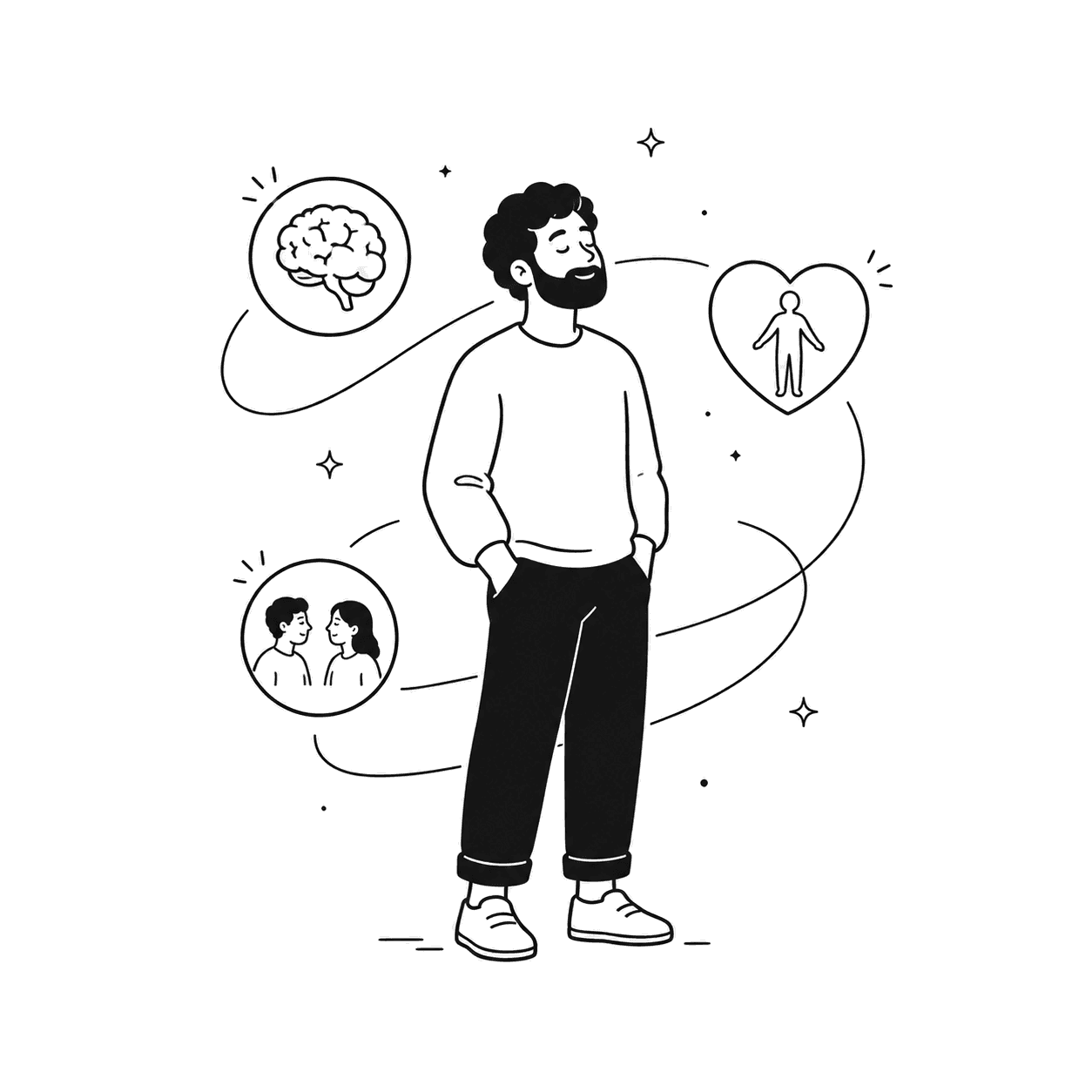
Just as your brain learned these pain patterns, it can unlearn them. This is called neuroplasticity, your brain's ability to change and rewire itself at any age.
How it works
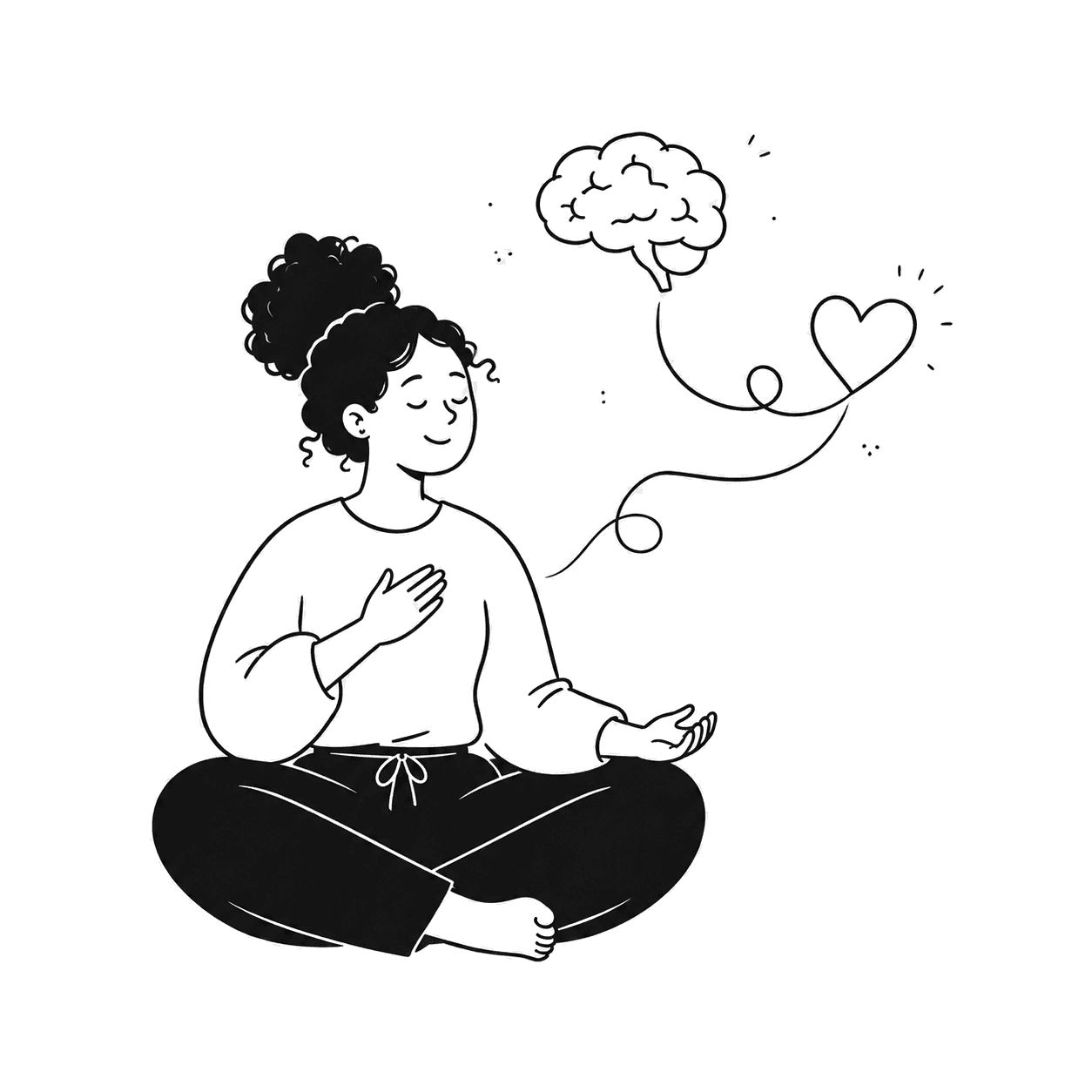
Pain Reprocessing Therapy teaches your brain to turn off false danger signals and reinterpret sensations as safe, which may help reduce persistent pain when this approach is appropriate.
"Neuroplasticity works both ways,
what the brain learns, it can unlearn."
Is this for you?
Signs your pain
may be neuroplastic
If you've been to multiple doctors and are still suffering, even one of these criteria can indicate neuroplastic pain.
Pain began without a physical injury
Pain persists after an injury has healed (3+ months)
Medical tests show no structural cause
Pain spreads to different body areas over time
Pain varies with stress levels or emotions
Pain is worse at certain times of day
Pain decreases when distracted or on vacation
You have multiple chronic symptoms (IBS, migraines, etc.)
"If you have a diagnosis but your pain hasn't resolved, there's likely a neuroplastic component."
How I work
Evidence-based
treatment approaches
I have specialised training in methods developed by Dr Howard Schubiner and I am listed in the Association for the Treatment of Neuroplastic Symptoms Practitioner & Coach Directory.
Pain Reprocessing Therapy (PRT)
Retrains your brain to turn off pain signals by reinterpreting sensations as safe.
Somatic Tracking
Learning to observe pain sensations with curiosity rather than fear.
Graded Exposure Therapy
Gradually reintroducing feared movements to prove safety to your brain.
Emotional Awareness & Expression Therapy (EAET)
Processing unresolved emotions that may be fueling persistent pain.
Pain Neuroscience Education
Understanding how your brain creates pain and why it's safe to move.
Nervous System Regulation
Techniques to calm your fight-or-flight response and restore balance.
Movement Re-training
Getting back to normal activities and exercise without fear.
Mindfulness Practices
Building awareness of thought patterns that amplify pain.
Clinical Hypnotherapy
Accessing subconscious patterns and rewiring pain responses.
Before we begin
Please rule out
structural issues first
Before beginning this approach, please consult your doctor to rule out structural abnormality, disease, or infection. Once you've done that, take the self-assessment questionnaire to help determine whether this approach is right for you.
Your next step
Ready to start
your recovery?
If you've been suffering with chronic pain and traditional treatments haven't worked, there is hope. This science-backed approach has helped thousands recover.
It can help you too.